
There was a time in my life when I held onto grudges—quiet but heavy. I didn’t speak of them often, but I carried them with me through the years. Most of these feelings were rooted in childhood memories, shaped by poverty and the quiet shame that came with it.
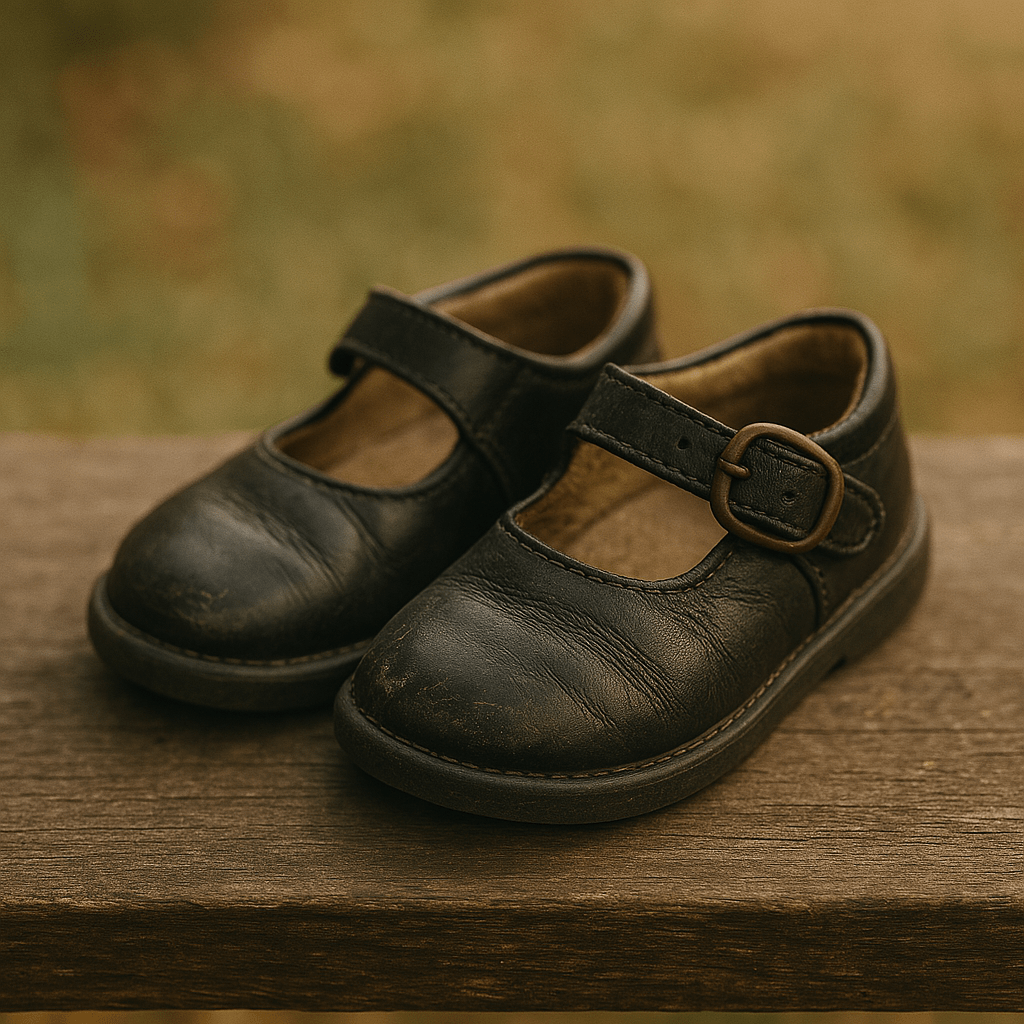
Growing up, we couldn’t afford much. For school recognition days and graduations, I didn’t have proper shoes. I remember borrowing a cousin’s pair—tight and uncomfortable, but the only option I had. Though they let me use them, I still remember the side-eyes, the sighs, the small comments that stung more than they probably intended. I remember telling myself, “One day, I’ll show them.”
My father would sometimes send me to borrow money from a relative so I could get to school. I hated those moments—not because of the borrowing itself, but because of how it made me feel. Small. Unwelcome. Like a burden. My aunt would hand me the money, but not without a remark, a tone, a reminder that I was in need.
I borrowed a neighbor’s typewriter for school assignments. Again, the same dynamic—I was given what I asked for, but not without feeling the weight of the favor. A reminder of where I stood.
For a long time, I nursed those memories as wounds. I believed they should have helped with open arms, without judgment, without making me feel less. I carried that bitterness and used it as fuel—“I’ll make it someday, and they’ll see.” And maybe, in a way, that fire helped me push through.
But now, standing in a different place in life—somewhat more stable, more whole—I’ve started to see things differently.
It wasn’t their fault we were poor. And it wasn’t their responsibility to provide for me. Everyone had their own struggles, their own limits, and their own boundaries. What I once saw as cruelty or coldness may have just been discomfort, or fatigue, or simply their way of protecting their own needs.
Maybe I was just envious. Envious that they had what I lacked. Envious that I had to ask. Envious that needing help meant also carrying shame.
But envy doesn’t serve healing. And neither does holding onto anger.
I look back now with a softer heart. I see those moments as complex, not cruel. I was loved in the ways my family could offer love. And the borrowed shoes, the borrowed money, the borrowed typewriter—those were still yeses, even if they weren’t wrapped in kindness.
I’m learning to let go. To forgive, not just them, but myself—for feeling the way I did, for resenting people who, in their own way, still showed up.
Growth means learning to see with clarity what pain once blurred. I’m grateful now—for the struggle, the borrowed things, and even the side comments. Because they all shaped the person I am today.
And I don’t need to prove anything anymore.
What did the uncomfortable moments in your past teach you?
Sometimes the tightest fits leave the deepest impressions—and the gentlest lessons.
 Stride & Wonder