
What does resilience really mean? Lately, I’ve been thinking about how we respond to crisis—both personally and globally. Whether it’s a marathon, a grueling hike, or the accelerating climate crisis, one thing is clear: resilience isn’t accidental. It’s something we build, something we choose.
Reading Naomi Klein’s The Shock Doctrine made me see resilience in a different light. The book lays out, in unsettling detail, how disasters—whether natural or manufactured—often reshape societies in ways that don’t always benefit the people most affected. While communities are still reeling, policies are rewritten, resources are privatized, and somehow, those in power always seem to land on their feet while everyone else scrambles to rebuild. It made me wonder: When things get tough, who gets to recover? Who gets left behind? And how do we build resilience that is fair, sustainable, and real—not just for individuals, but for entire communities?
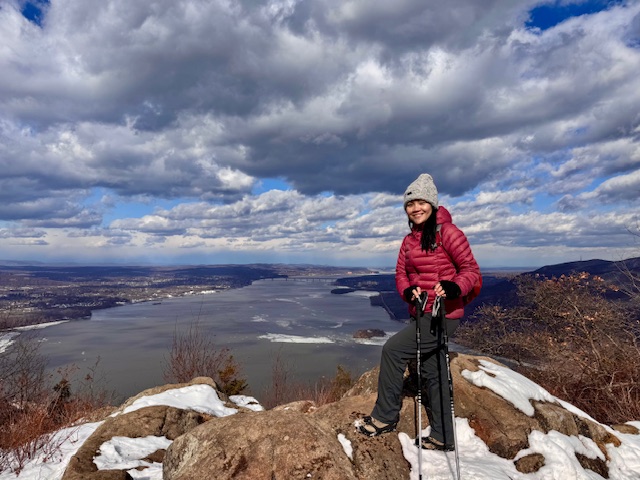
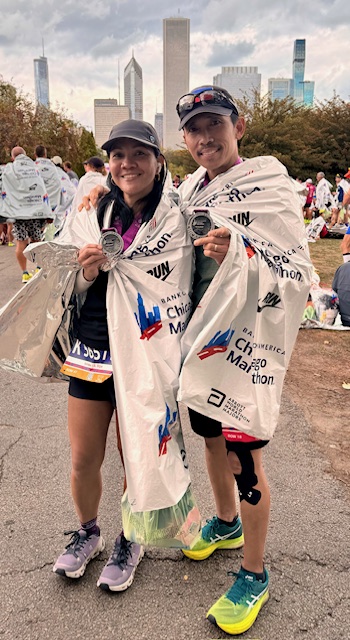
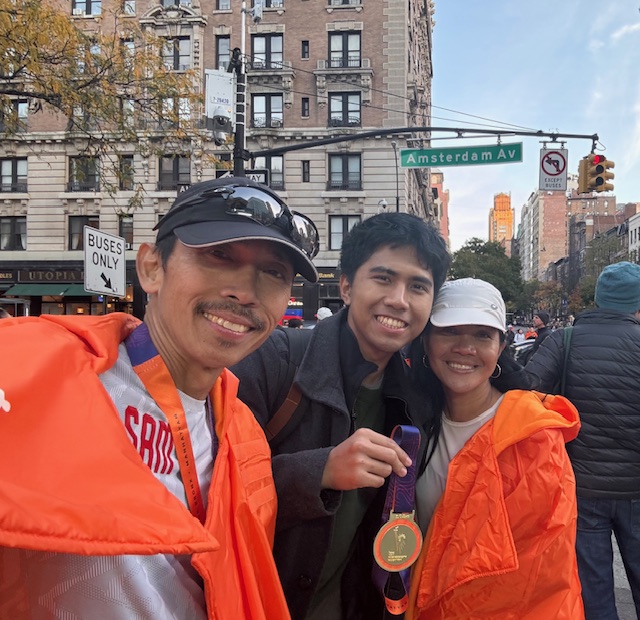
This past year, I’ve felt that question in my own way—on the pavement, on the trails, and in the slow climb toward climate action. The NYC Marathon reminded me that no matter how well you plan, unexpected challenges will test you. The body does what it wants, the course throws in surprises, and suddenly, it’s less about executing a perfect race and more about adapting, problem-solving, and pushing forward in a way that’s sustainable.
Hiking teaches the same lesson, but in a different way. I think about those long trails where the elevation gain sneaks up on you—when you’re an hour in, your legs are burning, and the peak still looks impossibly far away. If you rush too fast, you burn out. If you don’t pace yourself, you risk not finishing at all. Hiking teaches patience. You learn to read the terrain, adjust your footing, and conserve your energy when needed. Progress isn’t always a straight path—sometimes you hit a false summit, sometimes you descend before climbing again, and sometimes the hardest stretches are the ones right before the view opens up.
And that brings me to the climate institute I attended at Columbia University. Listening to climate scientists and educators discuss where we are and where we’re headed, I realized just how much this moment in history feels like one of those long, grueling hikes—or maybe a marathon with no mile markers. The signs are everywhere: rising temperatures, extreme weather, food insecurity. The path forward is steep, and we know it. And yet, so much of the response still feels hesitant, slowed by bureaucracy, misinformation, and short-term thinking.
One thing I keep coming back to is that the problem isn’t a lack of knowledge or solutions—we have them. The technology exists, the science is clear, and communities on the frontlines of climate change have been adapting for generations. Take Rotterdam, for example. Instead of waiting for the next flood to devastate the city, they redesigned their infrastructure—parks that double as reservoirs, floating buildings, and public spaces that can absorb excess water when needed. They aren’t waiting to react; they’re preparing to thrive. And yet, in many places, it often feels like we’re standing at the base of a mountain, arguing over whether we should start climbing, while those who benefit from the status quo insist that the storm clouds overhead are just an illusion.
The reality, of course, is that the climb has already begun—whether we’re ready or not. The shocks are here: floods, fires, droughts, ecosystems unraveling faster than expected. And much like in endurance sports, the key isn’t just brute force or pushing forward recklessly. It’s about strategy, adaptation, and knowing when to accelerate change and when to recover to keep moving forward.
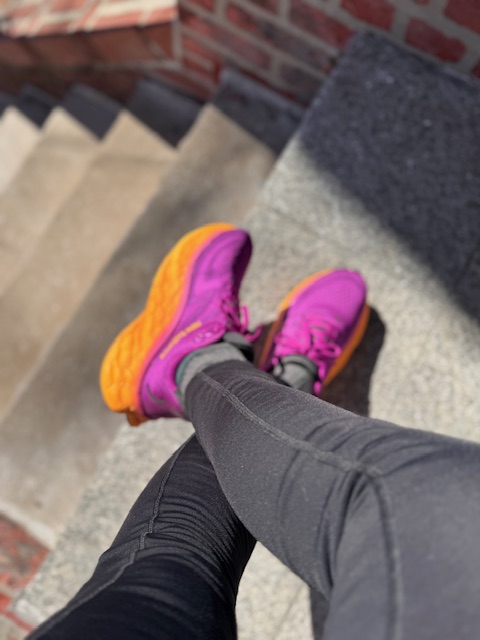
One thing that stood out to me at the climate institute was that resilience isn’t just about individual survival—it’s about collective action. No one hikes a technical mountain alone. No marathon happens without volunteers at water stations, pacers keeping the rhythm, and crowds cheering runners toward the finish. Climate resilience is the same. It’s not just about surviving the next big storm, but about building communities that can withstand and recover together—by investing in sustainable infrastructure, prioritizing conservation, and listening to the people who have been navigating these challenges long before they became headline news.
As I plan the next hike, as I continue my training, and as I work with my students—who will inherit the consequences of today’s choices—I keep coming back to this: the way forward isn’t easy, but it’s not impossible. Like a tough trail or a long race, the hardest stretches are often the ones right before things start to open up. And if there’s one thing I’ve learned from years of running and hiking, it’s that persistence matters.
So we keep going. We pace ourselves. We adapt. And most importantly, we look out for each other—because while no one reaches the summit alone, the best views are the ones we share.




 Stride & Wonder