
Growing up on a farm, I never imagined I’d end up in Costa Rica chasing bees. Back then, farm life felt like something I needed to outgrow. I thought if I let myself love it too much, I’d never leave. So, I didn’t let myself love it.
Funny how life circles back.
As a biology teacher, I’ve taught biodiversity more times than I can count. But fieldwork is different. This summer, thanks to the support of Math for America (MfA), I had the opportunity to join an Earthwatch Expedition in Costa Rica. Earthwatch connects volunteers with scientists working on urgent environmental research around the world. Our team was based at Monteverde Cloud Forest Biological Reserve, where mornings were misty, and hummingbirds hovered close by. Most days, we traveled down to San Luis, where the sun shone brighter, the flowers bloomed louder, and bees buzzed everywhere you looked.
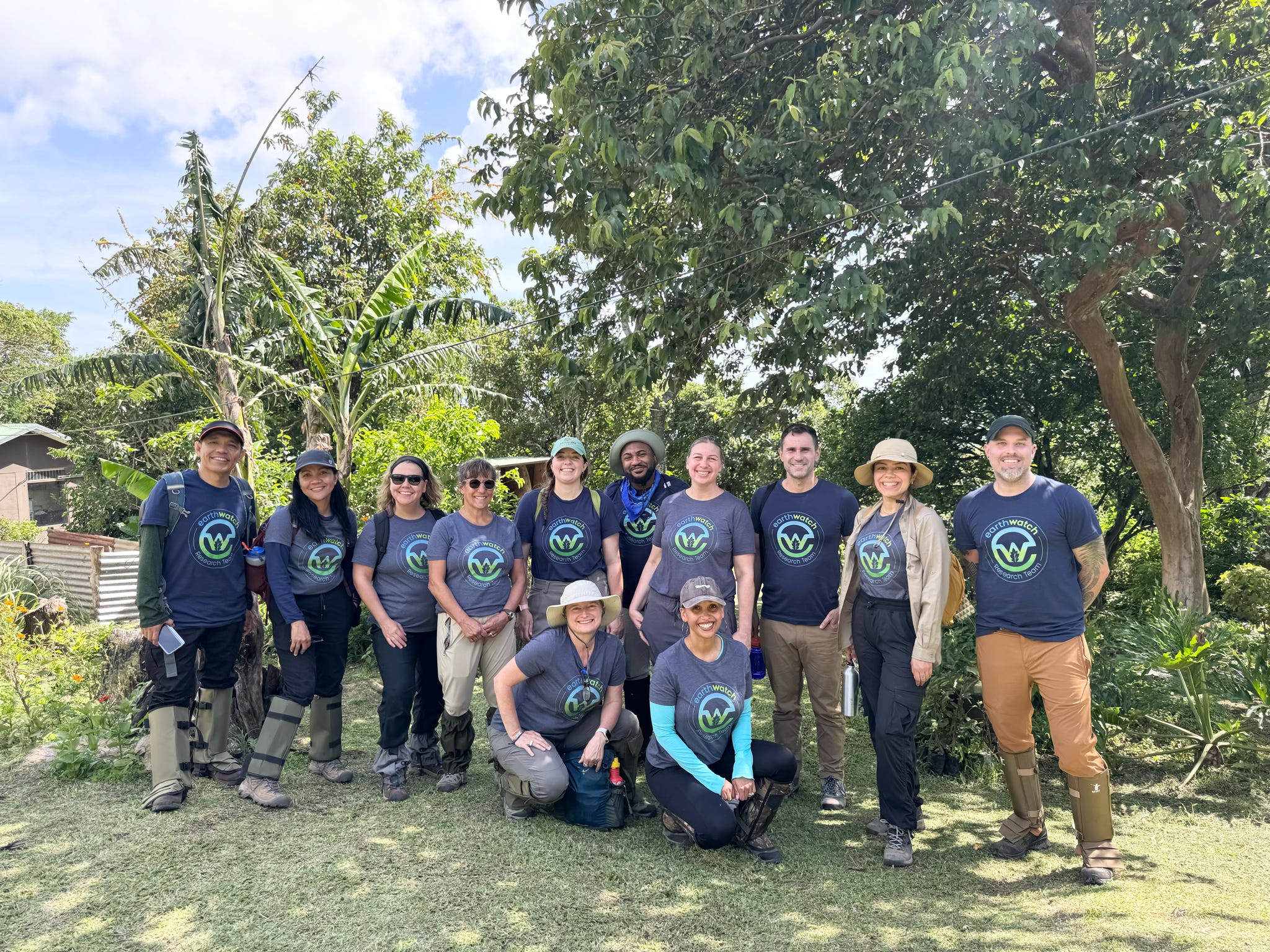
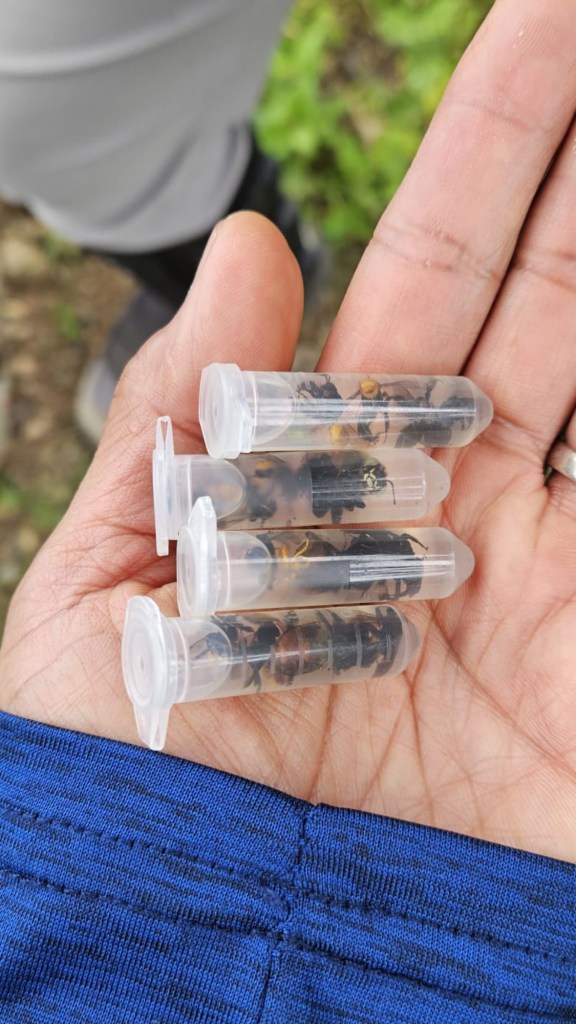
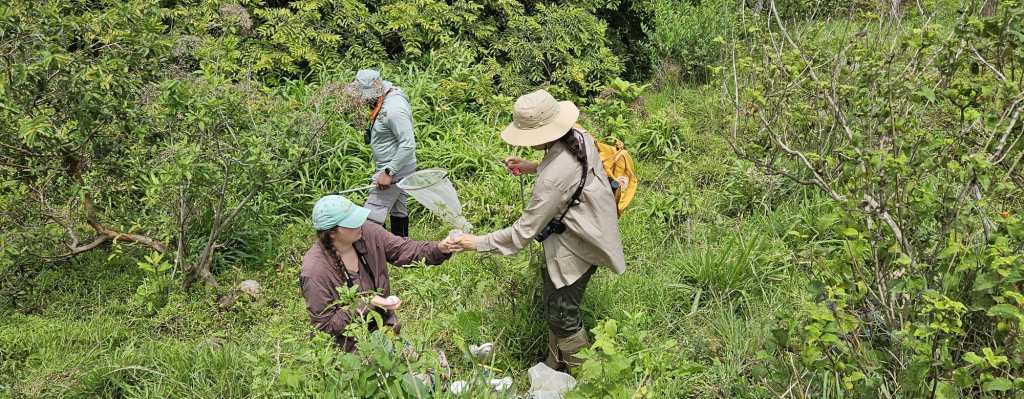
Our work was simple on paper: catch bees, observe biodiversity, and support researchers studying how farming practices shape these ecosystems. Some days we swung nets and missed entirely. Some days we caught shimmering orchid bees that looked like tiny flying emeralds. Some days, nothing at all. That’s fieldwork. Either way, we always had stories to share over dinner.
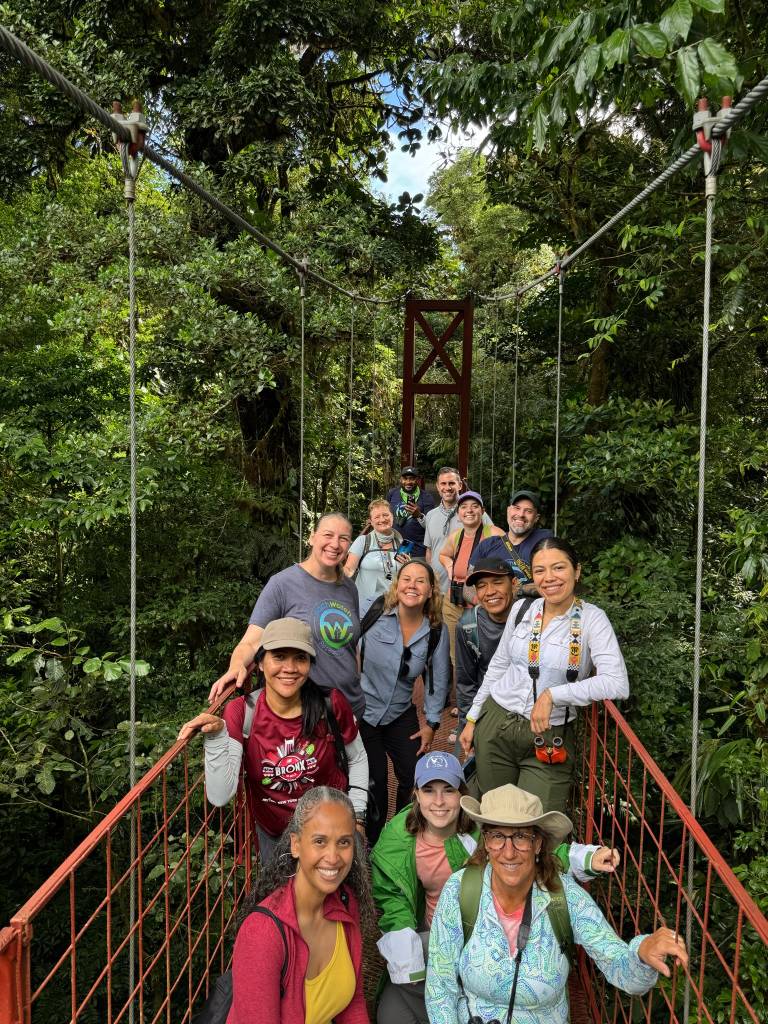
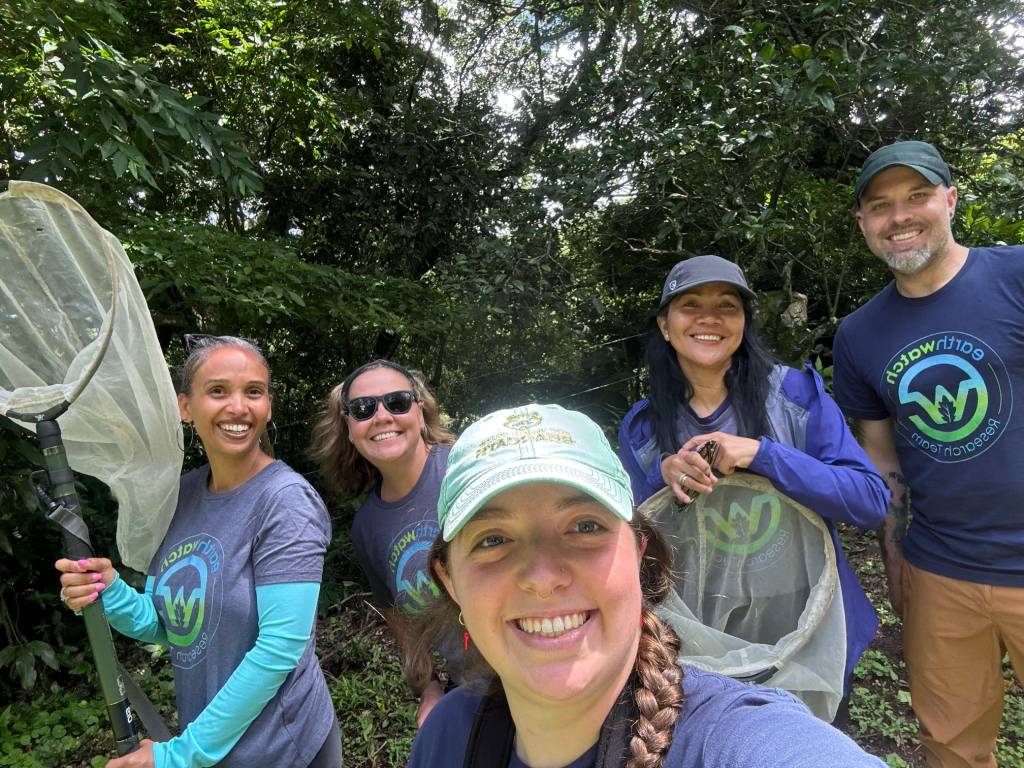
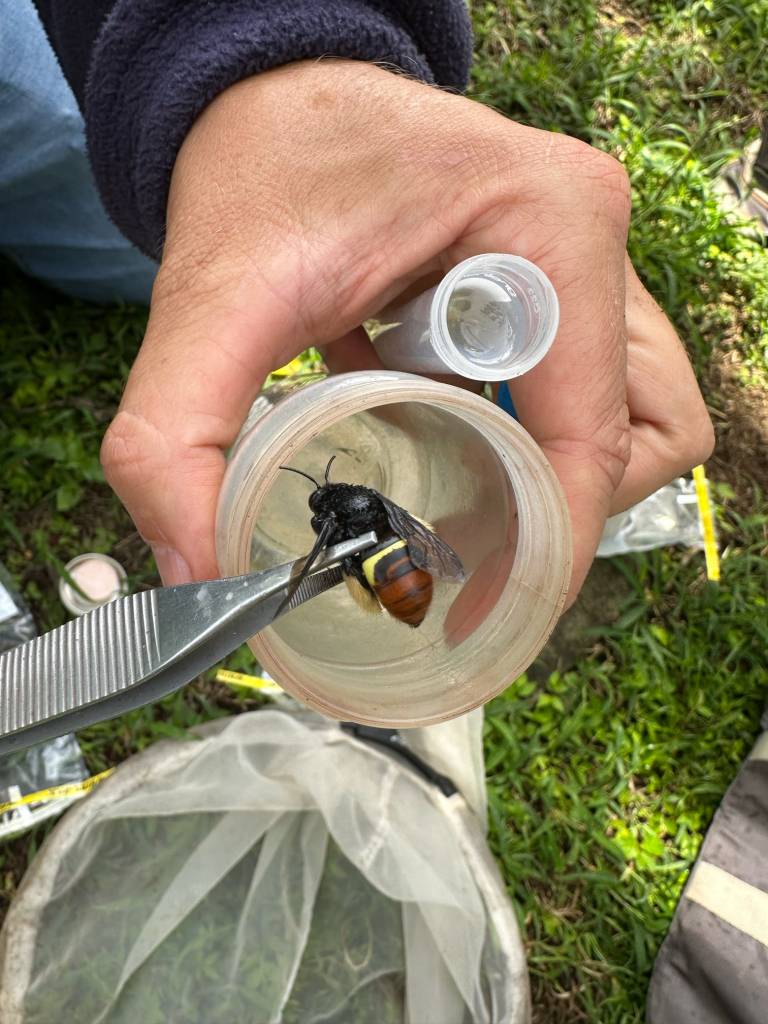
Throughout the week, we met farmers living through the small, steady shifts of a changing climate—adjustments to weather, soil, and seasons that don’t make headlines but shape livelihoods over time. Their stories pulled me right back to my own childhood. Back then, planting and harvesting felt like something to leave behind. Now I understand it differently.
One afternoon we visited Alyssa’s family farm, perched high with one of the best views I’ve seen—mountains wrapped in clouds, flowers everywhere, bees and other insects moving through it all like they’ve always belonged there. It reminded me of home in a quiet, unexpected way.
As an introvert, this kind of setting—living, working, and sharing meals with a team for a week—can feel like a lot. But I surprised myself. Even in the long days and shared spaces, I found small pockets of quiet that felt grounding. A moment alone with the view. The soft hum of bees filling in the silence. Conversations that felt easy and genuine because we all cared about the same things.

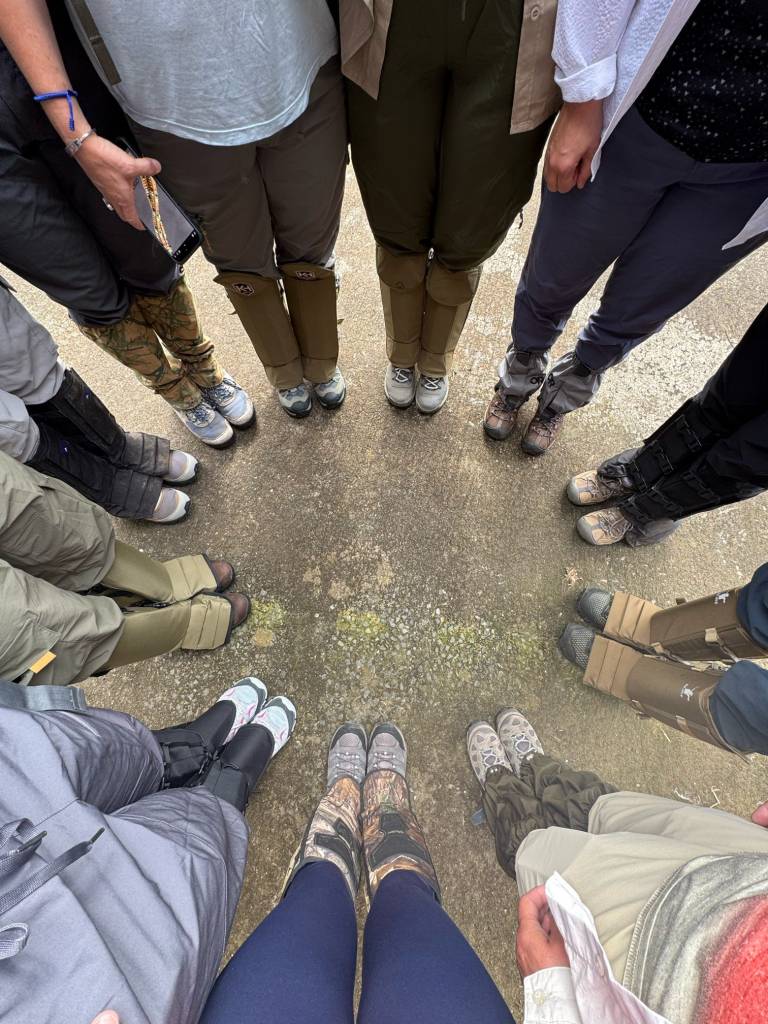
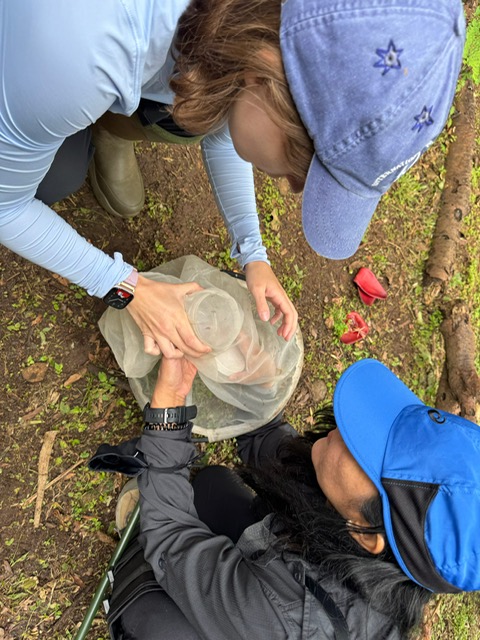
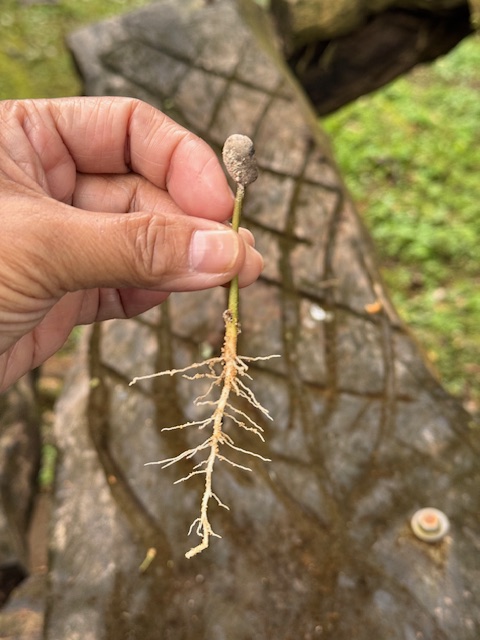


Our final night was spent wandering through the forest looking for bioluminescence. We didn’t see much—nature doesn’t work on our schedule—but some tiny frogs, insects, and a few soft glows still found us. Enough to remind me that wonder doesn’t always need to announce itself.
While most of the group went out for drinks to celebrate, I stayed back to pack and reflect. On the bees, the forests, the farmers. On how different it feels to teach science versus live it. On how unexpected it is to feel grounded in a place you never planned to find yourself.
Morning came with hugs, goodbyes, and one last pura vida before heading home.
I didn’t just bring back souvenirs. I brought back a reminder of why I teach, why I care about sustainability, and why science matters—not just in classrooms, but in fields, forests, and communities.
Also, yes, I brought home coffee. A lot of it.
And who knows—after this, I just might end up back on a farm when I retire. Maybe one with bees, coffee, and no Wi-Fi. Full circle, indeed.
Pura vida.
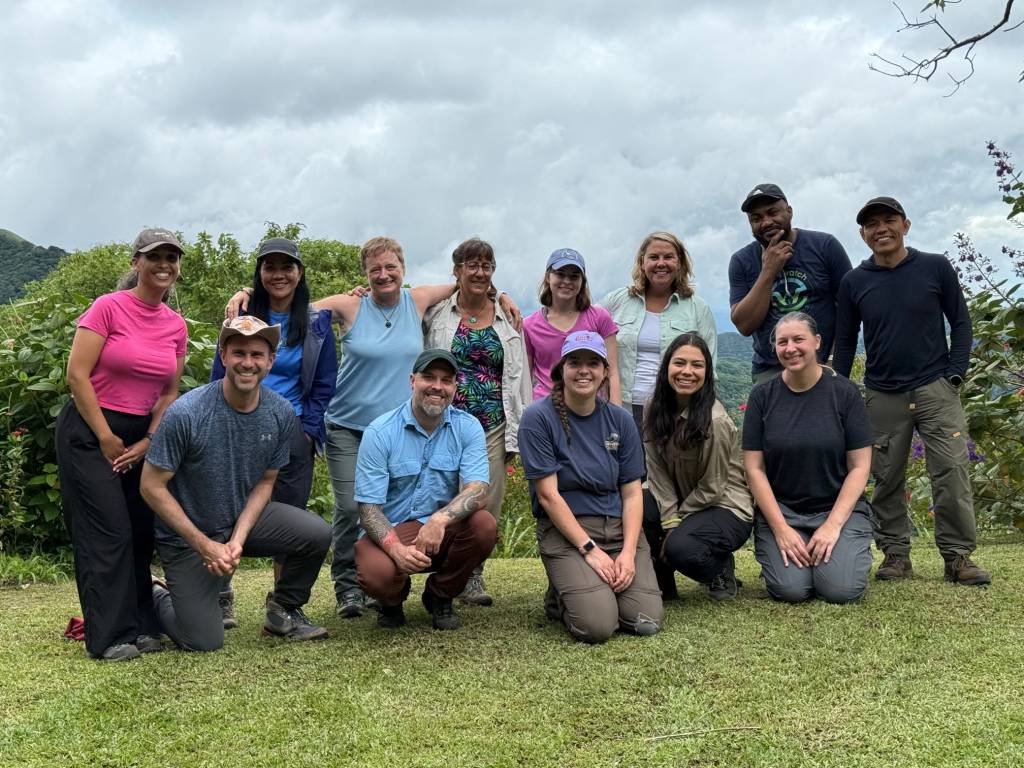
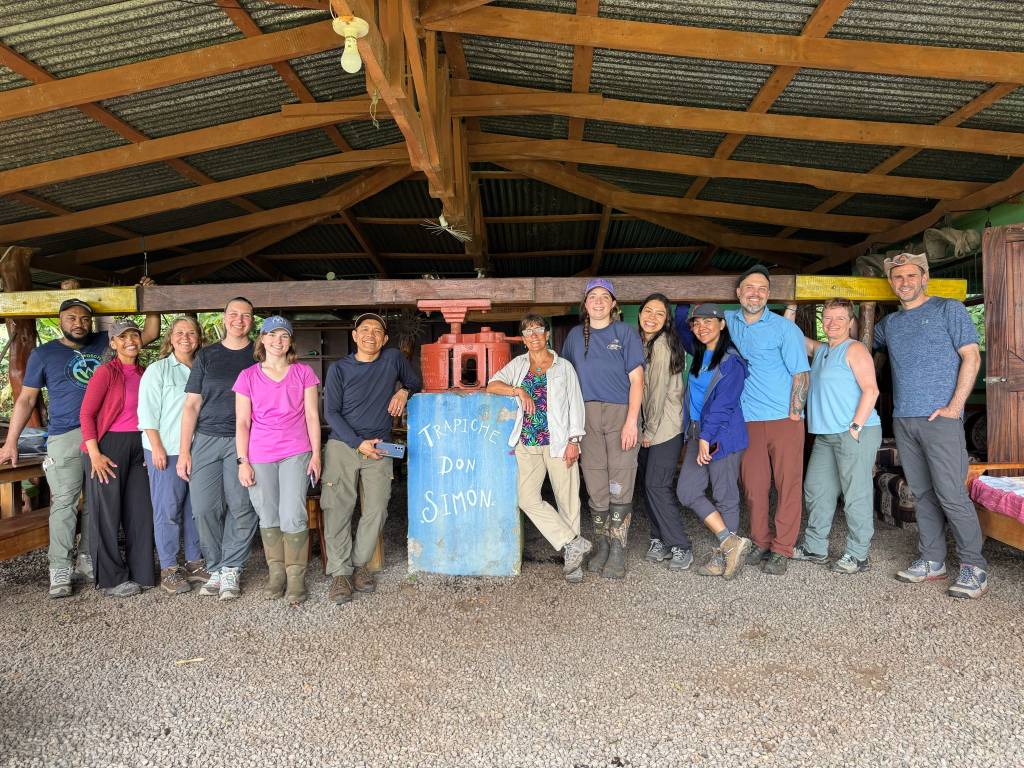
I’m especially grateful to Frannie and Evie, two brilliant young scientists who made this fieldwork feel both serious and joyful. I also feel lucky to have shared this week with our team of educators: Danilsa, Derek, Lauren, Diana from New York, Diana from Maine, Susan, JoAnn, Cesar, Errol, and Chris. I learned something from each of them—about science, about teaching, and about the kind of good humor and heart it takes to make a week like this unforgettable.
 Stride & Wonder