A Gentle Strength


Reflections on my mother’s quiet love

Some days bring a gentle pull to the heart, the kind that makes you slow down and think about where you came from. Maybe it’s because today is Mama’s birthday, but I’ve found myself thinking about her more than usual. About the home she created for us, and the quiet strength she carried through so many seasons of her life.
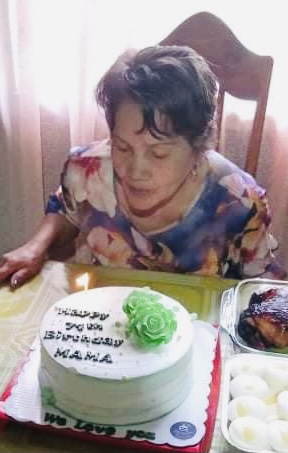
When I look back on my childhood, I remember a warm and steady presence. Mama moving around our house and tending to her small sari-sari store. The familiar smell of food cooking, sometimes for us, sometimes for sale. The way she spoke about her children with quiet pride whenever someone asked how we were doing. At the time, those moments felt ordinary, just part of growing up, but now they rise in my memory as the things that shaped my sense of home.

As the years passed, life began to change her in ways we did not understand then. I was old enough to notice the early shifts. Some days she carried her usual lightness. Other days she grew quieter, more withdrawn, holding her thoughts and her worries close. These changes came in waves. She would find her way back for a while, then slowly slip into a softer, more fragile version of herself. We didn’t have the language for it, but we felt it deeply.

My siblings are younger than I am, so their memories might live in different parts of her life. That’s how families are. We each hold our own version of the same home, shaped by the moments we remember most.
Eventually, all of us began to leave. Not all at once, but slowly, as life pulled us into new directions. Back then, we didn’t have phones, so distance felt even bigger. Letters took time. Visits were rare and treasured. Now that I’m older, I often think about how long those quiet stretches must have felt for her. A mother’s waiting is its own kind of love. Quiet. Constant. Hopeful.

There is something she still does, even now, even if years pass between our visits. She pauses by our beds at night. Just long enough to take a breath and look at us sleeping, the same way she did when we were young. It is such a small gesture, but to me it says everything. Some parts of a mother’s heart never change.
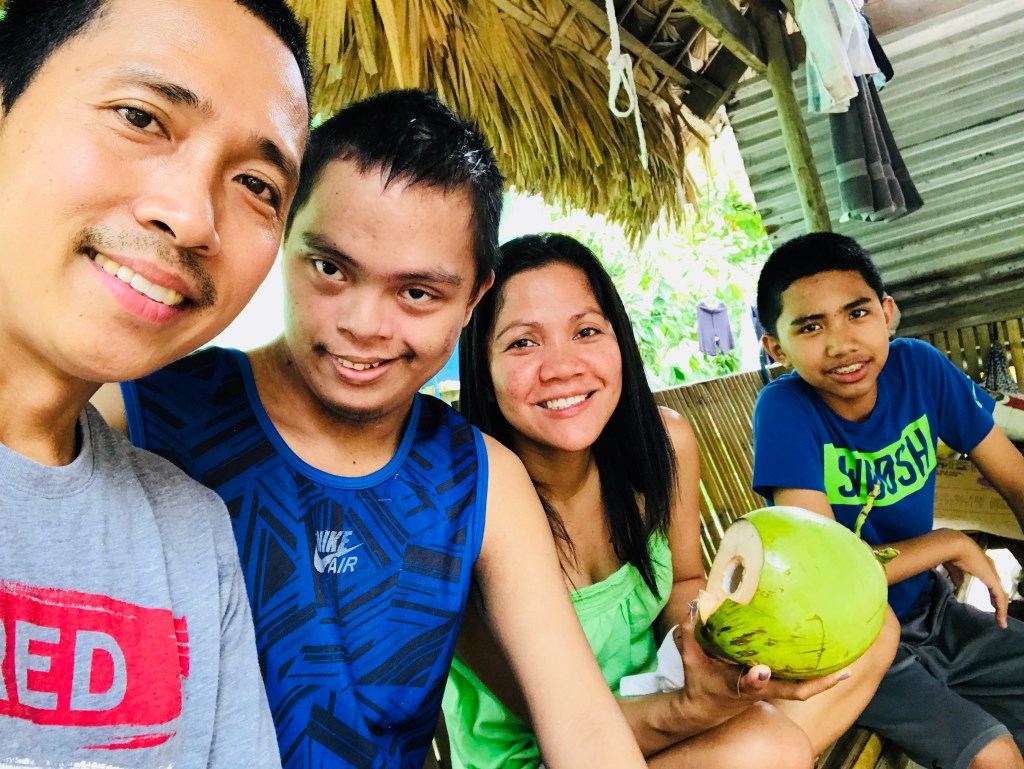
And through all her seasons, one part of her stayed steady. Her tenderness for the child who needed her most. Louie, who has Down Syndrome, has always held a special place in her heart. She understands him instinctively, cares for him patiently, and loves him with a devotion that never wavered. No matter what shifted in her life, that love remained the truest expression of who she is.

As life went on and I became a mother myself, I began to understand her more. I understand what it means to love in different seasons. To give what you can, even when you are not at your strongest. To hold your children in your heart no matter how far they go or how long they stay away. To hope quietly. To worry quietly. And to love through all of it.

So today, in this quiet moment, I honor her.
For the warmth she gave me growing up.
For the ways she tried, even when life made things difficult.
For checking on me at night every time I came home.
For her devotion in all the seasons of her life.
For her strength, soft and steady, even when she carried more than she could say.
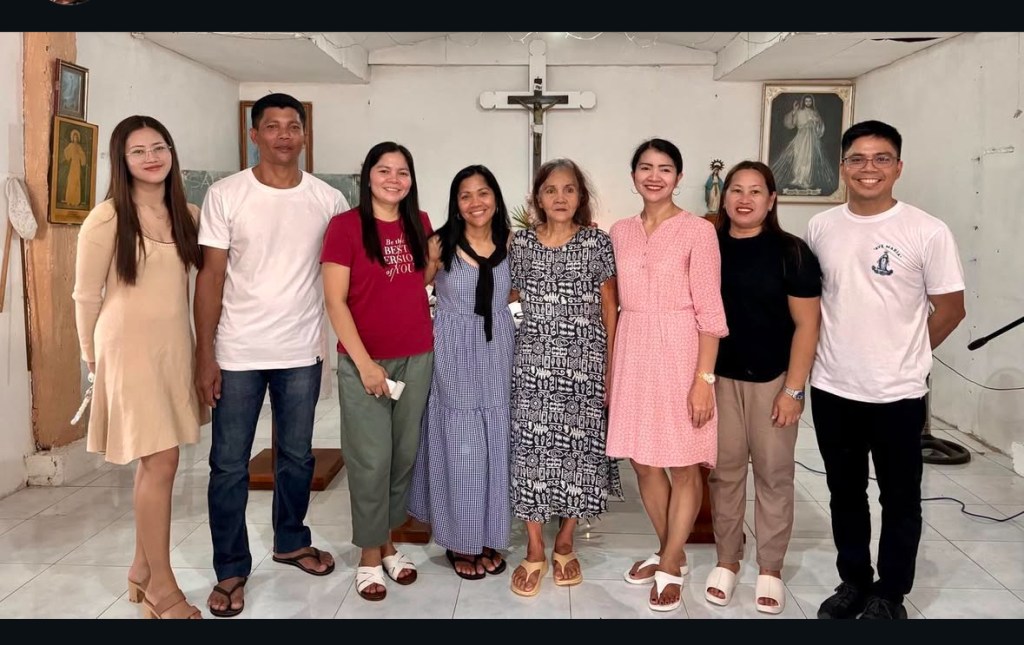
For Mama,
in the version of her I knew,
and the love she continues to give in her own gentle way.

Seeds of Persistence


This summer, I picked up Hope Jahren’s Lab Girl. At first, I thought it was just a scientist’s memoir: labs, soil samples, and tree rings. But what I found instead was a story about persistence, scarcity, and the people who make survival possible. It felt strikingly familiar.

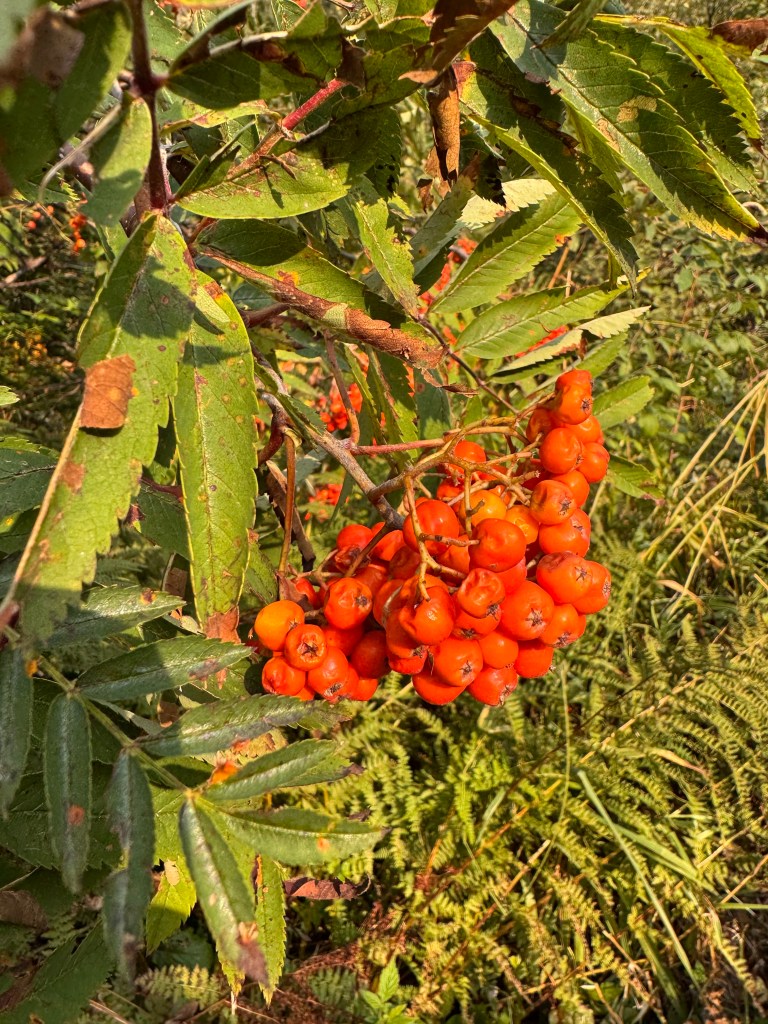
Jahren writes about the hidden lives of plants: how seeds wait for the right moment to break through the soil, how roots grow quietly in the dark, how trees endure long winters and storms but still leaf out each spring. She braids those images with her own struggles, chasing grants, facing setbacks, and leaning on her lab partner Bill when resources ran thin. Her story echoed my own.

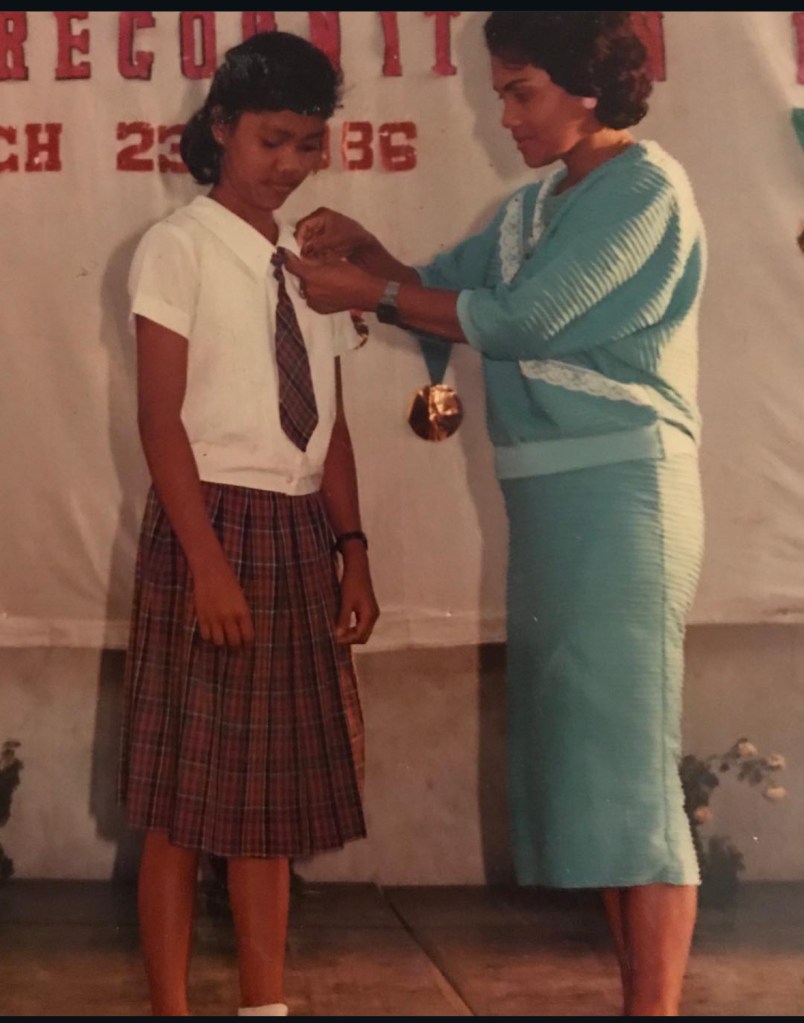
In high school, scholarships covered tuition but little else. To get by, I worked summers as a house helper and babysitter. I’ll always be grateful to my English teacher, Ma’am Ellen, who gave me those opportunities and, more importantly, believed in the seed in me long before I could. She never asked for anything in return; she simply gave me a chance to grow.

Later, in college, Sr. Vic became another light in my path. I began at a small school in Bulan, working with the Daughters of Charity. When she was transferred to Sacred Heart College in Lucena, she brought me along. As a Vincentian scholar, I lived on campus, waking at 5 a.m. for “first report,” cleaning offices before classes. I rotated through assignments in the registrar’s, principal’s, even the president’s office. It wasn’t easy balancing work and study, but I had a community behind me. Sr. Vic, the Daughters of Charity, my fellow Vincentians, and the Sacred Heart College family gave me roots. Their faith nourished me, and because of them, I pushed through.

Like Jahren, I learned early that growth is never instant. Seeds don’t sprout on command; they wait. My own roots were strengthened by hard work but also by the quiet generosity of those who trusted me to grow. Their faith wasn’t wasted. I finished, I became a teacher, and now I try to pass that same faith on to my students.

That’s why Lab Girl resonated so deeply. Isn’t that the story of teaching? Some students bloom quickly, others take years, and many grow in directions we never expect. Our job is to keep tending, to offer light, water, encouragement, and to trust that even when growth isn’t visible, it’s happening beneath the surface.

I think of one student who rarely spoke in class. For months, I wondered if I was reaching them at all. Years later, I received an email from that same student in college, thanking me for teaching them how to wonder and ask questions. The seed had always been there. It just needed time.

Jahren also writes honestly about hidden struggles: the scramble for funding, the long hours, the invisible labor that keeps a lab alive. Teachers know that world well. We stretch small budgets, apply for grants (thank you, DonorsChoose!), spend evenings shaping lessons, and pour ourselves into our students, often without recognition. And yet, like her, we keep showing up because we believe in what might take root.

What I admired most is how she ties survival to persistence. Trees endure storms and winters, but each spring, they leaf out again. My own story taught me the same truth: it’s endurance, not ease, that shapes us. Teaching is no different. Every September, we begin again. Some years feel abundant, others test our patience, but still we return with hope.

I see that same lesson on trails and in travel. Hiking reminds me of patience, resilience, and renewal. Nature keeps teaching me what I try to teach my students: growth takes time, struggle is part of the process, and persistence carries us forward.

Reading Lab Girl reminded me that resilience isn’t loud. It’s quiet and steady, like roots spreading underground. It’s choosing to stay, to tend, and to trust that growth will come, even if unseen.

At its heart, Lab Girl isn’t just a scientist’s memoir. It’s a meditation on persistence. And in many ways, it’s my story too.

As this school year begins, I hold that reminder close: some seeds will sprout quickly, others will wait, and some will surprise me years later. My role is to keep tending, to teach, to listen, to stay curious, and, like the trees in Jahren’s book, to keep reaching for the light, season after season.

This reflection is also a quiet thank you to Ma’am Ellen, Sr. Vic, the Daughters of Charity, and the Sacred Heart College community for believing in the seed in me long before it bloomed. Their faith reminds me that none of us grow alone. As I step into a new school year, I carry their example with me: to keep tending, to keep encouraging, and to trust that with care and patience, the seeds we nurture, in ourselves and in others, will one day take root.

Big Lessons from a Tight Fit


There was a time in my life when I held onto grudges—quiet but heavy. I didn’t speak of them often, but I carried them with me through the years. Most of these feelings were rooted in childhood memories, shaped by poverty and the quiet shame that came with it.

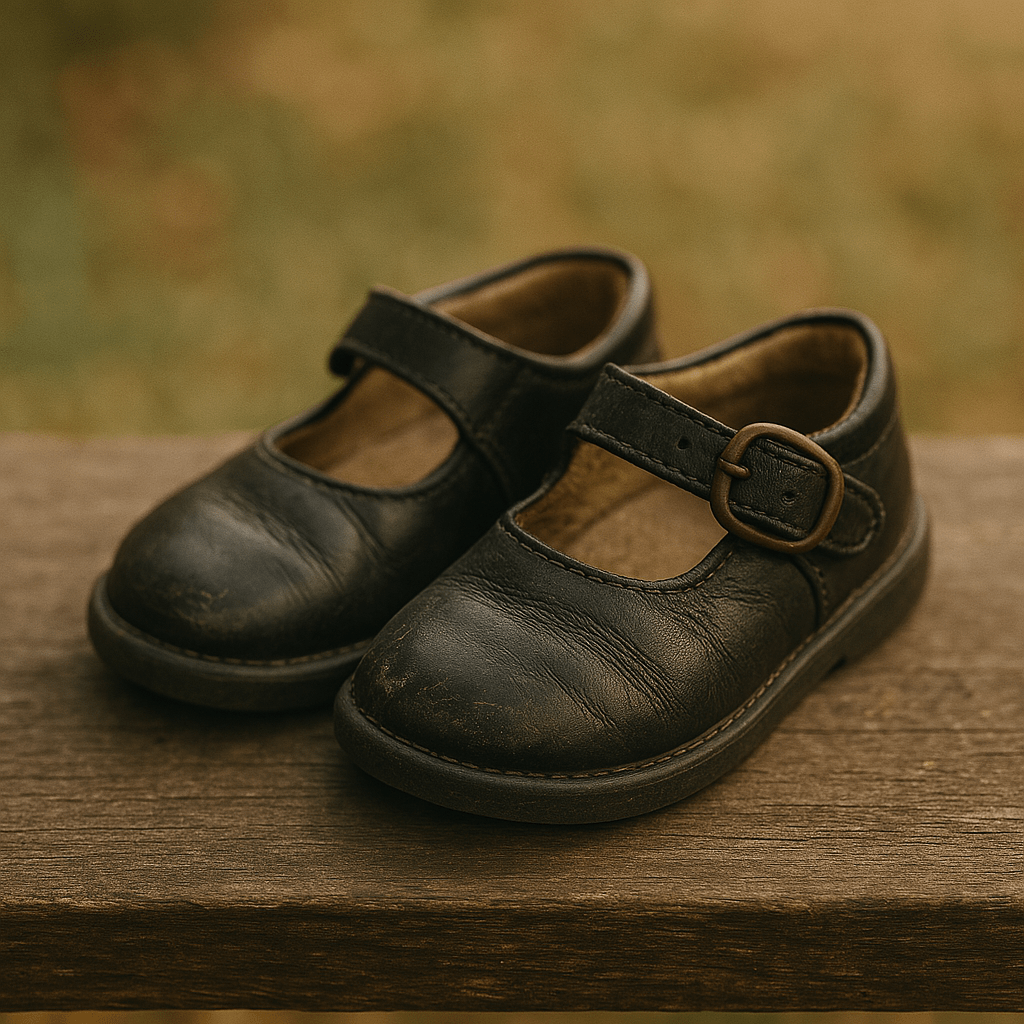
Growing up, we couldn’t afford much. For school recognition days and graduations, I didn’t have proper shoes. I remember borrowing a cousin’s pair—tight and uncomfortable, but the only option I had. Though they let me use them, I still remember the side-eyes, the sighs, the small comments that stung more than they probably intended. I remember telling myself, “One day, I’ll show them.”

My father would sometimes send me to borrow money from a relative so I could get to school. I hated those moments—not because of the borrowing itself, but because of how it made me feel. Small. Unwelcome. Like a burden. My aunt would hand me the money, but not without a remark, a tone, a reminder that I was in need.

I borrowed a neighbor’s typewriter for school assignments. Again, the same dynamic—I was given what I asked for, but not without feeling the weight of the favor. A reminder of where I stood.

For a long time, I nursed those memories as wounds. I believed they should have helped with open arms, without judgment, without making me feel less. I carried that bitterness and used it as fuel—“I’ll make it someday, and they’ll see.” And maybe, in a way, that fire helped me push through.

But now, standing in a different place in life—somewhat more stable, more whole—I’ve started to see things differently.

It wasn’t their fault we were poor. And it wasn’t their responsibility to provide for me. Everyone had their own struggles, their own limits, and their own boundaries. What I once saw as cruelty or coldness may have just been discomfort, or fatigue, or simply their way of protecting their own needs.

Maybe I was just envious. Envious that they had what I lacked. Envious that I had to ask. Envious that needing help meant also carrying shame.

But envy doesn’t serve healing. And neither does holding onto anger.

I look back now with a softer heart. I see those moments as complex, not cruel. I was loved in the ways my family could offer love. And the borrowed shoes, the borrowed money, the borrowed typewriter—those were still yeses, even if they weren’t wrapped in kindness.

I’m learning to let go. To forgive, not just them, but myself—for feeling the way I did, for resenting people who, in their own way, still showed up.

Growth means learning to see with clarity what pain once blurred. I’m grateful now—for the struggle, the borrowed things, and even the side comments. Because they all shaped the person I am today.

And I don’t need to prove anything anymore.

What did the uncomfortable moments in your past teach you?
Sometimes the tightest fits leave the deepest impressions—and the gentlest lessons.

Running Through It

I’ll be honest—I haven’t been excited about running lately. Usually, it’s my time to clear my head, get some space, and just be in my own headspace. But recently, it felt like I was just going through the motions—worrying about work, my family in the Philippines especially my mom, my health, and everything else in between. Even when I did make time for a run, my mind wouldn’t let me enjoy it. I was focused on everything but the run itself.

There are days when I feel downright lazy, when it feels easier to just stay on the couch or binge-watch something than to get out there. I’ll make excuses about being too tired or too busy—anything to avoid running. It’s something we all do, right? But on those days, I remind myself that it’s not about being perfect; it’s about showing up, even when it’s hard or when the motivation isn’t there.

Then, I realized that the best thing I can do is just show up. It wasn’t until one run, when I had that familiar feeling of “I should just skip it,” that I reminded myself why I do this in the first place. It’s not about checking off a workout on a list. It’s not about improving my time. It’s about taking a break from everything else and being in the moment. So, I did the opposite of what I usually do when I get in my head—I slowed down. I ran at a pace that felt comfortable, that allowed me to breathe and think, but not to stress.

And then it hit me—running is a lot like showing up for life. My parents taught me that. When life threw them curveballs, they didn’t try to be perfect. They didn’t run faster or harder than they could. They just showed up, day after day. My mom’s health challenges, and the way my dad took care of everything while she struggled, showed me what real strength looks like—not in overcoming everything, but in just being there and moving forward.

That’s what I had forgotten about running: the idea of showing up. Not to compete or outdo myself, but just to do it because I can. And it was a reminder that when things are tough—whether it’s health worries, work stress, or anything else—the best thing I can do is just keep moving. It doesn’t matter if it’s fast or perfect, as long as I’m putting one foot in front of the other.

In a way, my parents’ example has become my running mentality. They didn’t try to fix everything in one go—they just kept moving through it. That’s what I’ve realized I need to do, too, with running and life. Some days will be harder than others, but as long as I keep showing up, that’s what counts.

After running a 10K yesterday, I took the day off from work for a much-needed mental health break. Honestly, I’m feeling better already. Sometimes, we forget how important it is to just pause and take care of ourselves—whether it’s a run, a break, or a moment of stillness. I realized that running, after all, is about more than just the physical act. It’s about checking in with myself, slowing down, and being okay with not being perfect.

So, as I lace up for the next run, I remind myself that it’s not about the end goal. It’s about being there for myself, finding joy in the process, and remembering that showing up is enough. Just like my parents did, I’ll keep moving forward, one step at a time.